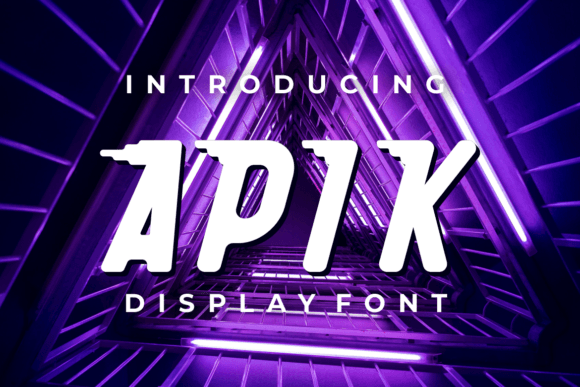
Apik: A Modern Display Font for Creative Excellence
In the world of typography, the right font can transform a design from ordinary to extraordinary. Apik stands out as a versatile and stylish display font that offers a modern aesthetic while maintaining readability across various applications. Whether you're designing a logo, crafting a website layout, or creating visual content for social media, Apik provides a unique blend of elegance and functionality that can elevate your work.
As a display font, Apik is designed to make an impact. Its clean lines and balanced proportions ensure that it commands attention without sacrificing legibility. This makes it ideal for headings, titles, and other prominent text elements where visual appeal is key. Unlike some fonts that may be too ornate or difficult to read at smaller sizes, Apik strikes a perfect balance between style and usability.
Characteristics of Apik
One of the standout features of Apik is its geometric structure. The font incorporates subtle curves and sharp angles that give it a contemporary feel. This design approach allows Apik to fit seamlessly into both digital and print media, making it a go-to choice for designers looking for a modern look.
The weight and spacing of Apik are also thoughtfully crafted. It offers a range of weights, from light to bold, which gives designers flexibility in their projects. Whether you need a subtle emphasis on a headline or a strong statement for a banner, Apik adapts well to different typographic needs.
Another notable aspect of Apik is its versatility. It works well in both dark and light environments, ensuring that it remains readable regardless of the background. This adaptability makes it suitable for a wide range of design contexts, from web interfaces to branding materials.
Advantages of Using Apik
One of the primary advantages of Apik is its ability to enhance the visual hierarchy of a design. By using Apik for headings and subheadings, designers can create a clear structure that guides the viewer's eye through the content. This is particularly useful in websites, presentations, and marketing materials where clarity and organization are essential.
Apik also brings a sense of professionalism to any project. Its clean and modern appearance conveys a level of sophistication that can help establish credibility. For businesses looking to create a strong brand identity, incorporating Apik into their visual assets can reinforce their commitment to quality and innovation.
Additionally, Apik supports a wide range of languages, making it a valuable resource for international projects. This multilingual support ensures that the font remains consistent and effective across different regions and cultures, which is especially important for global brands and organizations.
Use Cases for Apik
Apik is particularly well-suited for use in digital design. Its scalability ensures that it maintains its quality at various sizes, making it ideal for web development, app interfaces, and mobile design. When used in these contexts, Apik contributes to a polished and cohesive user experience.
For print media, Apik can be used in logos, brochures, and packaging designs. Its bold yet refined style adds a touch of elegance that can differentiate a brand from its competitors. In this setting, Apik helps create a memorable visual identity that resonates with audiences.
Another area where Apik shines is in editorial design. Whether it's for magazines, newspapers, or online publications, the font’s readability and aesthetic appeal make it a strong choice for headlines and feature articles. It can help draw readers in and keep them engaged with visually appealing content.
Considerations When Using Apik
While Apik is a powerful tool for designers, it’s important to consider how it fits into the overall design strategy. Overusing the font can lead to visual clutter, so it’s best to use it selectively. Pairing Apik with complementary fonts can help maintain balance and prevent the design from becoming overwhelming.
Designers should also be mindful of the context in which Apik is used. While it excels in modern and professional settings, it may not be the best choice for more traditional or conservative designs. Understanding the tone and message of the project will help determine whether Apik is the right fit.
Accessibility is another consideration when working with Apik. Ensuring that the font is used in a way that doesn’t compromise readability for all users is crucial. Testing the font in different formats and sizes can help identify any potential issues and ensure that it meets accessibility standards.
Best Practices for Incorporating Apik
To get the most out of Apik, start by identifying the specific needs of your project. Are you looking to create a strong visual identity? Do you need a font that works well in both digital and print formats? Answering these questions can help guide your decision-making process and ensure that Apik is used effectively.
Experimentation is key when working with Apik. Try different weights, sizes, and color combinations to see how the font interacts with other design elements. This exploration can lead to creative solutions that enhance the overall look and feel of your work.
Finally, stay informed about the latest trends and updates related to Apik. As design practices evolve, new techniques and applications for the font may emerge. Keeping up with these developments can help you stay ahead of the curve and continue to leverage Apik’s strengths in innovative ways.