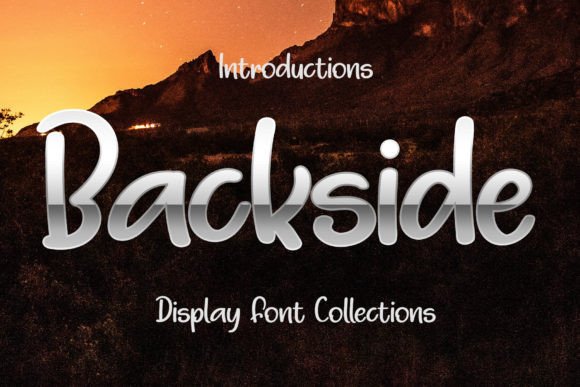
Backside: A Versatile Font for Creative Projects
When it comes to typography, the right font can make all the difference in a design. Backside is a beautiful display font that stands out for its elegance and versatility. Whether you're working on a magazine layout, a craft project, or any other creative endeavor, Backside offers a unique visual appeal that can elevate your work.
Backside is designed with a modern aesthetic, making it ideal for a wide range of applications. Its clean lines and subtle details provide a sophisticated look that can be both bold and refined. This font is particularly well-suited for headings, logos, and other elements where a strong visual presence is needed.
Key Features of Backside
One of the standout features of Backside is its readability. Despite its decorative nature, the font maintains a high level of legibility, even at smaller sizes. This makes it a great choice for projects that require both style and clarity. The letterforms are carefully crafted to ensure they remain distinct and easy to read, even when used in complex layouts.
Another notable characteristic of Backside is its adaptability. It works well in both digital and print formats, making it a valuable addition to any designer's toolkit. Whether you're creating a website, a poster, or a printed brochure, Backside can help you achieve a polished and professional look.
The font also includes a variety of weights and styles, allowing for greater flexibility in design. This means you can use different versions of Backside to create contrast and hierarchy within your work. For example, a bold version might be used for a headline, while a lighter weight could be used for subheadings or body text.
Applications for Backside
Backside is especially popular among designers who work on magazines and publications. Its elegant appearance adds a touch of sophistication to headlines and section titles, helping to draw readers in and guide them through the content. In this context, Backside can be used to create a cohesive visual identity that reflects the tone and style of the publication.
In the world of crafts and DIY projects, Backside can be a game-changer. Whether you're creating custom signs, handmade cards, or decorative elements for home decor, this font provides a stylish and eye-catching option. Its clean lines and modern feel make it suitable for both traditional and contemporary designs.
For businesses looking to establish a strong brand presence, Backside can be an effective tool. It can be used in logos, marketing materials, and promotional content to convey a sense of professionalism and creativity. The font’s versatility allows it to be adapted to various industries, from fashion and lifestyle to technology and finance.
Integrating Backside into Your Workflow
Adding Backside to your fonts library is a simple process that can significantly enhance your design capabilities. Most design software, including Adobe Photoshop, Illustrator, and InDesign, supports custom fonts, making it easy to incorporate Backside into your projects. Once installed, you can access it just like any other font, allowing for seamless integration into your workflow.
When using Backside, it's important to consider the context in which it will be used. While it excels as a display font, it may not be the best choice for long blocks of text. Instead, it should be reserved for key elements such as headings, titles, and short phrases. This approach ensures that the font remains visually impactful without overwhelming the reader.
Experimentation is key when working with Backside. Try pairing it with other fonts to create contrast and balance. For instance, combining it with a sans-serif font can create a modern and dynamic look, while pairing it with a serif font can add a classic and timeless feel. These combinations can help you achieve the desired aesthetic for your project.
Practical Benefits of Using Backside
One of the main advantages of using Backside is its ability to add a unique and memorable visual identity to your work. In a competitive design landscape, having a distinctive font can help your projects stand out and capture attention. This is especially important in industries where branding and aesthetics play a crucial role.
Backside also offers a level of consistency across different platforms and mediums. Whether you're designing for web, print, or social media, the font maintains its quality and appearance. This consistency is essential for maintaining a cohesive brand image and ensuring that your message is communicated effectively.
Additionally, Backside is a reliable choice for designers who value efficiency. Its clear structure and well-designed letterforms reduce the need for extensive adjustments, saving time and effort during the design process. This makes it a practical option for professionals who need to deliver high-quality results quickly.
Considerations When Choosing Backside
Before adopting Backside, it's important to evaluate how it fits into your specific needs. Consider the type of projects you typically work on and whether the font aligns with your design goals. If you're aiming for a more minimalist or functional look, Backside may not be the best fit. However, if you're looking for a font that adds character and style, it could be an excellent choice.
Another factor to consider is the licensing and availability of Backside. Make sure to obtain the font from a reputable source and understand the terms of use. Some fonts may have restrictions on commercial use, so it's important to review these details before incorporating Backside into your work.
Finally, take the time to test Backside in different scenarios. Experiment with varying sizes, colors, and backgrounds to see how it performs in different contexts. This will help you determine the best ways to utilize the font and ensure that it meets your design requirements.