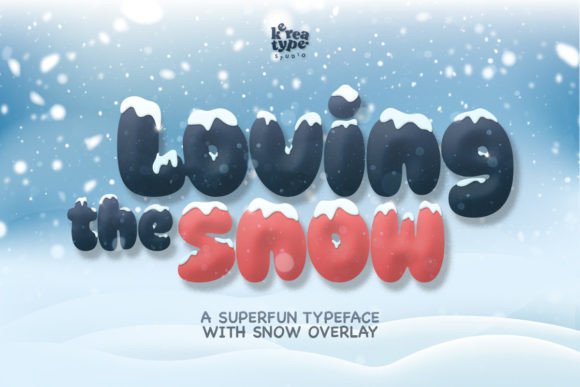
Loving Snow: A Unique Display Font for Winter Projects
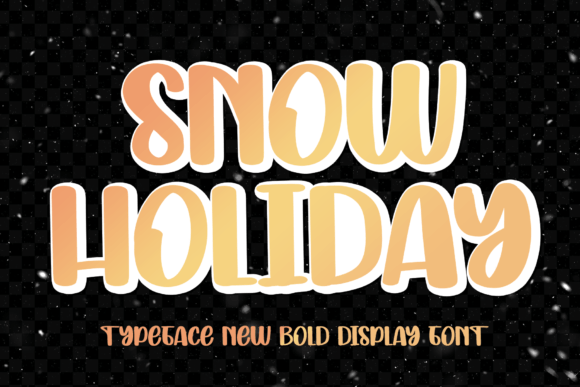
Loving Snow is a distinctive display font that combines a friendly and fun aesthetic with a snowy overlay, making it ideal for winter holiday projects. Designed to evoke the charm of snowflakes and cold weather, this font can add a whimsical touch to various creative endeavors. Whether you're working on a holiday card, a seasonal website, or a marketing campaign, Loving Snow offers a unique visual appeal that stands out.
What Is Loving Snow?
Loving Snow is a digital font that features a playful, hand-drawn style with a subtle snowy texture. The font's design incorporates elements that resemble snowflakes, giving it a wintry feel. This combination of style and theme makes it particularly well-suited for projects related to winter, holidays, or any design that aims to convey a sense of cold, crisp air or festive cheer.
The font is available in different weights and styles, allowing users to choose the version that best fits their needs. Its snowy overlay adds an extra layer of visual interest, making it more than just a standard display font. This feature can be especially useful for designers looking to create a cohesive winter-themed look across multiple platforms.
Why Someone Might Be Interested in Loving Snow
Individuals who are involved in graphic design, marketing, or event planning may find Loving Snow appealing for several reasons. First, its unique style can help differentiate a project from others that use more traditional fonts. Second, the snowy overlay provides a visual element that can enhance the overall theme of a design without requiring additional graphics or images.
Additionally, Loving Snow may be of interest to those who want to incorporate a personal or nostalgic touch into their work. For example, a designer creating a holiday greeting card might use Loving Snow to evoke memories of childhood winters or the magic of snowfall. The font’s friendly appearance also makes it suitable for projects targeting younger audiences or those with a more casual tone.
Benefits of Using Loving Snow
One of the primary benefits of Loving Snow is its ability to add visual interest to a design. The snowy overlay creates a sense of depth and texture, which can make text stand out more effectively than a plain font. This feature is especially useful for headlines, titles, or other prominent text elements that need to capture attention.
Another advantage is the font’s versatility. While it is most commonly associated with winter themes, Loving Snow can also be used in other contexts where a playful or artistic style is desired. For instance, it could be used in a children’s book, a social media post, or even a logo for a business that wants to convey a warm, approachable image.
Loving Snow is also easy to use, as it is typically available in standard font formats that can be installed on most design software. This accessibility makes it a practical choice for both professional designers and hobbyists who want to experiment with different styles.
Tradeoffs and Considerations
While Loving Snow has many advantages, there are some tradeoffs to consider. One potential drawback is that the snowy overlay may not be suitable for all types of projects. For example, if a design requires a clean, minimalist look, the texture of Loving Snow could appear too busy or distracting.
Additionally, the font’s playful style may not be appropriate for more formal or serious contexts. In such cases, a more traditional font might be a better choice. It’s important to evaluate the tone and purpose of a project before deciding to use Loving Snow.
Another consideration is readability. While the font is designed to be visually appealing, it may not be as easy to read as a standard sans-serif or serif font, especially at smaller sizes. Designers should test the font in different contexts to ensure that it remains legible and effective.
Situations Where Loving Snow Is a Strong Fit
Loving Snow is particularly well-suited for projects that require a festive or whimsical atmosphere. For example, it could be used in holiday marketing materials, such as flyers, banners, or social media posts. The font’s style would complement the theme of winter celebrations and help create a cohesive visual identity.
It is also a good choice for creative projects that aim to tell a story or evoke emotion. A designer working on a children’s book about snow or a blog post about winter activities might find Loving Snow to be a valuable tool. Its friendly appearance can help engage readers and make the content more relatable.
Moreover, Loving Snow can be useful for branding efforts that want to convey a sense of warmth and approachability. Businesses that cater to families, outdoor enthusiasts, or those with a focus on seasonal products might benefit from using this font to reinforce their brand image.
Situations Where Alternatives May Be Worth Considering
In some cases, alternative fonts may be more appropriate than Loving Snow. For instance, if a project requires a modern, clean look, a sans-serif font like Helvetica or Arial might be a better fit. These fonts are often preferred in professional settings where clarity and simplicity are prioritized.
For projects that need a more elegant or sophisticated appearance, a serif font such as Times New Roman or Georgia could be a better option. These fonts tend to convey a sense of tradition and refinement, which may align more closely with the goals of certain designs.
Additionally, if a project involves a lot of text, a more readable font may be necessary. In such cases, using a font with a simpler design could improve the overall user experience and ensure that the message is communicated effectively.
Practical Decision-Making Insights
When deciding whether to use Loving Snow, it’s important to consider the specific needs of a project. Start by defining the purpose of the design and the audience it is intended for. Ask questions such as: What tone do I want to convey? What visual elements will complement the message? How will the font affect readability and overall impact?
Testing the font in different contexts can also be helpful. Try using it in a sample design to see how it looks in various sizes and formats. This can provide valuable insight into its effectiveness and whether it meets the project’s requirements.
Finally, consider the availability and compatibility of the font. Ensure that it can be easily accessed and used across different platforms and devices. This will help avoid technical issues and ensure that the design remains consistent.