Bold Wicker: A Versatile Display Font for Creative Projects
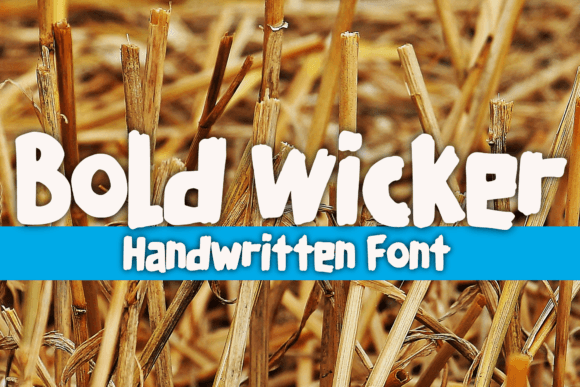
Bold Wicker is a distinctive display font that combines a rough, handcrafted aesthetic with a playful and fun character. Designed to add a casual and dynamic touch to visual projects, it has gained popularity among designers, artists, and creators looking for a unique typographic style. This font is ideal for a wide range of applications, from t-shirts and children's book illustrations to greeting cards, stickers, and posters.
What Is Bold Wicker?
Bold Wicker is a bold and textured typeface that features irregular, hand-drawn edges and a slightly uneven appearance. Its design mimics the look of wicker materials, giving it a natural, organic feel. The font’s roughness and playfulness make it stand out in a sea of more polished and structured fonts. It is particularly well-suited for projects that require a sense of warmth, creativity, or informality.
While it may appear chaotic at first glance, Bold Wicker is carefully crafted to maintain legibility while still delivering a strong visual impact. Its versatility allows it to be used in both digital and print formats, making it a valuable tool for designers working across multiple mediums.
Why Someone Might Be Interested in Bold Wicker
Designers and creatives often seek fonts that can help them express a specific mood or theme. Bold Wicker appeals to those looking for a font that conveys energy, spontaneity, and a handmade quality. It is especially popular in industries such as fashion, children's media, and promotional materials where a casual or whimsical tone is desired.
For instance, a designer creating a t-shirt with a quirky slogan might find that Bold Wicker adds the right amount of personality without overwhelming the design. Similarly, a children's book illustrator could use it to create titles or captions that feel engaging and approachable.
Benefits of Using Bold Wicker
One of the main advantages of Bold Wicker is its ability to add visual interest to a design without requiring additional elements. Its unique texture and shape make it an eye-catching choice for headings, logos, and other prominent text elements. This can save time and resources by eliminating the need for graphic overlays or complex design layers.
Another benefit is its adaptability. Whether used in a minimalist layout or a more elaborate composition, Bold Wicker can complement different styles. It works well with other fonts, allowing for creative pairings that enhance the overall design. Additionally, its informal nature makes it suitable for projects targeting younger audiences or those aiming for a relaxed, down-to-earth vibe.
Tradeoffs and Considerations
Despite its appeal, Bold Wicker may not be the best choice for every project. Its rough, uneven appearance can sometimes reduce readability, especially in longer blocks of text. For this reason, it is most effective when used sparingly, such as in headlines or short phrases rather than body copy.
Additionally, the font’s distinct style may not align with more formal or professional contexts. In such cases, a cleaner, more structured font might be more appropriate. Designers should also consider the target audience and the message they want to convey before deciding to use Bold Wicker.
Situations Where Bold Wicker Fits Well
Bold Wicker excels in projects that prioritize creativity, fun, and a personal touch. It is particularly well-suited for branding efforts aimed at a youthful or artistic demographic. For example, a boutique clothing line focusing on casual wear might use the font for its logo or product labels to reinforce a laid-back, expressive identity.
In the realm of publishing, Bold Wicker can be useful for children's books, where the font’s playful nature helps capture the attention of young readers. It can also be used in social media graphics, advertisements, and event flyers to create a sense of excitement and immediacy.
Situations Where Alternatives May Be Better
When the goal is clarity and professionalism, alternatives to Bold Wicker may be more appropriate. Fonts like Helvetica, Arial, or Roboto offer a clean, neutral appearance that is better suited for corporate communications, academic publications, or technical documents.
For projects requiring high legibility, such as signage or user interfaces, a sans-serif or serif font with consistent spacing and sharp edges would be more practical. In these cases, the rough texture of Bold Wicker could detract from the intended message or usability.
Decision-Making Insights
Before choosing Bold Wicker, consider the purpose of the design and the audience it will reach. If the goal is to evoke a sense of fun, creativity, or informality, then Bold Wicker can be a strong asset. However, if the design requires a more polished or structured look, it may be necessary to explore other options.
It is also helpful to test the font in different contexts. Experimenting with various sizes, colors, and backgrounds can reveal how well it performs in real-world scenarios. This process can help determine whether it meets the specific needs of the project.
Ultimately, the decision to use Bold Wicker should be based on its ability to enhance the design while aligning with the overall vision. By carefully evaluating its strengths and limitations, designers can make informed choices that support their creative goals.