Housebreak: A Bold and Stylish Display Font for Creative Projects
If you're looking for a display font that stands out while maintaining a modern, clean aesthetic, Housebreak is a strong contender. This unique font family offers versatility and visual appeal, making it ideal for a wide range of design projects. Whether you're working on a poster, a banner, apparel, or any other creative endeavor, Housebreak can elevate your typography and bring your vision to life.
Why Choose Housebreak?
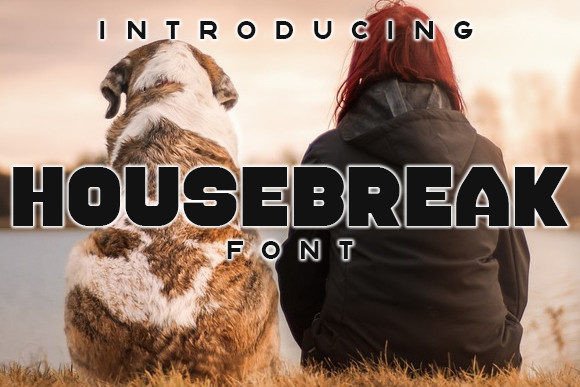
Housebreak is more than just a font—it's a tool that can transform the look and feel of your designs. Its sleek, contemporary style makes it perfect for headlines, logos, and other eye-catching elements. The font’s balance of simplicity and character ensures it remains readable while still making a statement. For designers and creators who want to add a touch of sophistication without sacrificing clarity, Housebreak is an excellent choice.
Misconceptions About Display Fonts
One common mistake when selecting a display font like Housebreak is assuming that bigger is always better. While bold and attention-grabbing fonts can be effective, they may not always be the best fit for every project. Using a display font in large blocks of text can reduce readability and make your message harder to digest. It’s important to remember that display fonts are best used strategically—such as for headings, titles, or key visual elements—rather than as the primary body text.
Another misunderstanding is that all display fonts are interchangeable. Each font has its own personality, and what works well for one project might not suit another. For example, Housebreak’s clean lines and geometric structure make it ideal for modern, minimalist designs, but it may not pair well with more ornate or traditional styles. Understanding the nuances of different fonts helps ensure your design remains cohesive and professional.
Common Mistakes When Using Housebreak
One frequent error is not considering the context in which Housebreak will be used. A font that looks great on a digital screen might not translate well to print, especially if the resolution or formatting isn’t optimized. Always test your design across different mediums to ensure consistency and quality. For instance, if you're designing a t-shirt with Housebreak, make sure the font scales properly and maintains its sharpness at various sizes.
Another mistake is neglecting to check licensing terms before using Housebreak. Many fonts come with specific usage rights, and failing to understand these can lead to legal issues, especially if you're using the font commercially. Always review the license agreement and ensure you have the proper permissions for your intended use. This is particularly important for small business owners and freelancers who may not be familiar with font licensing requirements.
Practical Tips for Getting the Most Out of Housebreak
To avoid common pitfalls, start by experimenting with Housebreak in different design scenarios. Try it on a mock-up of a poster or a social media graphic to see how it performs in real-world applications. This hands-on approach helps you understand the font’s strengths and limitations before committing to a final design.
Additionally, consider pairing Housebreak with complementary typefaces. A sans-serif font like Open Sans or Lato can provide a nice contrast while maintaining a cohesive look. This combination can help balance the boldness of Housebreak with a more neutral, readable font for body text. Always aim for harmony in your design to enhance both aesthetics and functionality.
What to Check Before Using Housebreak
Before downloading or purchasing Housebreak, verify that it supports the languages and characters you need. Some fonts may lack certain glyphs or special characters, which can be a problem if your design includes non-English text or symbols. Checking for comprehensive character support ensures your design remains consistent and professional across all platforms.
Also, consider the file format and compatibility. Housebreak may be available in multiple formats such as OTF, TTF, or WOFF. Make sure the version you choose is compatible with your design software and intended output. For example, if you're working with a web-based project, a WOFF file may be more suitable than a desktop font format.
Final Thoughts on Housebreak
Housebreak is a powerful and versatile display font that can add a modern edge to your designs. However, like any tool, its effectiveness depends on how it's used. By avoiding common mistakes, understanding its characteristics, and applying it thoughtfully, you can unlock its full potential. Whether you're a designer, marketer, or hobbyist, Housebreak offers a fresh and stylish option for creating visually compelling work.
Take the time to explore its possibilities, test it in different contexts, and pair it with other fonts that complement its style. With the right approach, Housebreak can become a valuable asset in your design toolkit, helping you create standout work that captures attention and communicates your message effectively.