Dhino Font: A Stylish Choice for Children's Designs
The Dhino font is a versatile and creative typeface designed specifically for children's projects. With its playful, minimalist aesthetic, it offers a unique blend of modernity and charm that appeals to both designers and educators. Whether you're creating content for a kindergarten, a birthday celebration, or a children's book, Dhino provides a fresh and engaging visual style that stands out.
What Is Dhino Font?
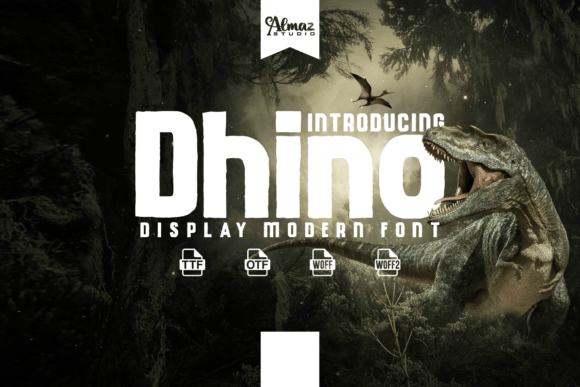
Dhino is a display font that combines the elegance of a sans-serif with the whimsy of a comic-style design. Its clean lines and sharp edges make it easy to read while maintaining a fun and youthful appearance. The font comes in multiple weights, allowing users to adjust the look and feel depending on their needs. This flexibility makes it suitable for a wide range of applications, from branding to web design.
One of the standout features of Dhino is its condensed spacing, which gives the text a tight and cohesive look. This feature is particularly useful when space is limited, such as in logos or headlines. Additionally, the font's thick lettering adds a sense of boldness and energy, making it ideal for eye-catching designs.
Why Choose Dhino?
For those looking to add a playful touch to their work, Dhino offers several advantages. Its design is perfect for projects targeting children, as it conveys a sense of fun and creativity. Educators, illustrators, and marketers who need a font that feels approachable and engaging may find Dhino to be an excellent choice.
Another benefit of Dhino is its adaptability. While it excels in children's contexts, it can also be used in more general settings where a modern and stylish look is desired. Its professional appearance ensures that it doesn't feel too childish, making it suitable for a broader audience.
Considerations and Tradeoffs
While Dhino is a strong option for many projects, it may not be the best fit for every situation. For instance, if a design requires a more formal or traditional look, Dhino's playful nature might not align with the intended tone. Similarly, in cases where legibility is a top priority—such as in long-form text—Dhino may not be the most effective choice due to its stylized features.
Users should also consider the availability of the font. Depending on the platform or software being used, access to Dhino may require a purchase or subscription. It's important to check compatibility and licensing terms before integrating it into a project.
Situations Where Dhino Shines
Dhino is particularly well-suited for projects that emphasize creativity and playfulness. For example, it works well in educational materials, such as flashcards, worksheets, and classroom signage. Its bold and clean style helps capture attention, making it ideal for younger audiences.
In the realm of marketing, Dhino can be used for promotional materials aimed at children or families. It adds a sense of fun to advertisements, brochures, and social media content. Additionally, it can enhance the visual appeal of websites, especially those focused on kids' entertainment, toys, or learning resources.
When Alternatives May Be Better
There are scenarios where other fonts may be more appropriate. For instance, if a project requires a more serious or sophisticated tone, a traditional serif or sans-serif font might be a better fit. Similarly, for large blocks of text, a more readable font like Arial or Helvetica could be preferable.
Designers working on international projects should also consider the language support of Dhino. If the font does not include characters for certain languages, it may not be suitable for multilingual content. In such cases, alternative fonts with broader language coverage may be necessary.
Practical Insights for Decision-Making
Before deciding to use Dhino, it's helpful to test it in different contexts. Try using it in sample designs to see how it looks in various sizes and formats. This will help determine whether it meets the specific needs of the project.
Additionally, consider the target audience. If the primary users are children, Dhino's playful style will likely resonate well. However, if the audience includes adults, the font may need to be paired with more neutral elements to maintain a balanced look.
Finally, evaluate the overall design scheme. Dhino can be a powerful tool when used strategically, but it should complement the rest of the visual elements rather than overpower them. Balancing its boldness with other design components will ensure a cohesive and effective outcome.
Ultimately, the Dhino font offers a unique and appealing option for those seeking a fun, modern, and versatile typeface. By understanding its strengths and limitations, users can make informed decisions about whether it aligns with their goals and needs.