Firmament Rough: A Retro-Futuristic Font for Strategic Design
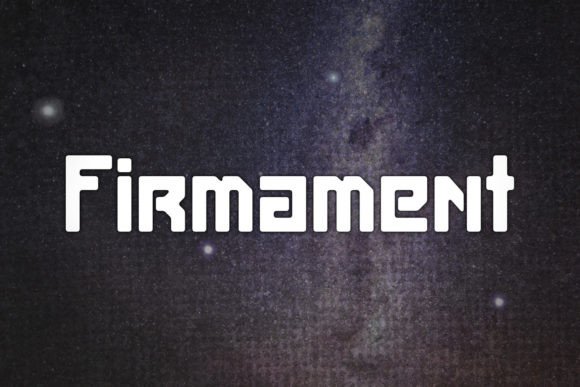
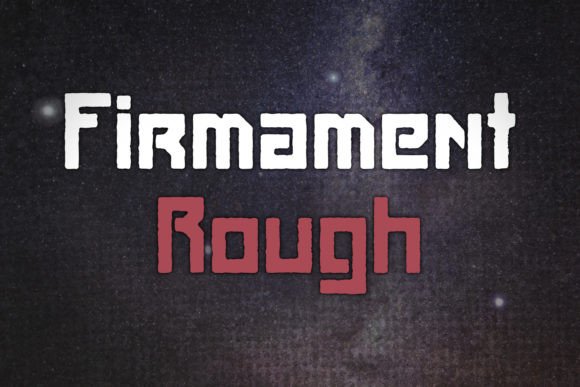
Firmament Rough is more than just a font—it's a design tool that blends retro aesthetics with futuristic energy. Its bold, hand-drawn style evokes a sense of nostalgia while maintaining a modern edge, making it ideal for creative projects that require both personality and clarity. Whether you're designing a logo, crafting a headline, or developing a brand identity, Firmament Rough offers a unique visual language that can elevate your work.
Strategically, this font is valuable because it helps establish a strong visual identity that stands out in a crowded market. In an era where branding is crucial for differentiation, the right typography can make a significant impact on how your message is perceived. Firmament Rough provides a distinctive voice that aligns with brands aiming to convey innovation, creativity, and a touch of rebellion.
Why Firmament Rough Matters for Creative Projects
Firmament Rough is particularly effective in industries where visual storytelling plays a key role. For example, in the apparel industry, it can be used to create eye-catching logos that reflect the brand's personality. In music and film, it adds a dynamic feel to posters and promotional materials, helping to capture the essence of the project. Its versatility makes it a go-to choice for designers looking to add character without sacrificing readability.
The font’s irregular edges and textured appearance give it a handmade quality that feels authentic and approachable. This characteristic can be especially beneficial in marketing campaigns aimed at younger audiences who value uniqueness and individuality. By using Firmament Rough, you’re not just choosing a font—you’re making a statement about your brand’s values and aesthetic.
When to Use Firmament Rough: Strategic Considerations
Understanding when to use Firmament Rough is essential for maximizing its impact. It works best in contexts where a bold, expressive style is desired. For instance, in corporate identity, it can be used as a secondary font to add contrast and visual interest to a more traditional primary typeface. In editorial design, it can serve as a headline font that draws attention and sets the tone for the content.
However, it’s important to consider the context and audience before implementing Firmament Rough. While it’s great for creative projects, it may not be suitable for formal or professional settings where clarity and simplicity are prioritized. The font’s complexity can sometimes reduce legibility, especially in smaller sizes or when used extensively. Therefore, it’s best to use it selectively and in combination with more readable fonts for body text.
Practical Examples of Effective Use
One practical application of Firmament Rough is in the creation of YouTube thumbnails or social media posts. These platforms thrive on visual appeal, and a well-designed thumbnail using this font can significantly increase click-through rates. Similarly, in Instagram posts, it can be used to highlight key messages or create a cohesive look across multiple images.
In the gaming and entertainment industries, Firmament Rough can be used to design titles and banners that capture the attention of potential players or viewers. Its retro-futuristic vibe aligns well with genres that emphasize adventure, mystery, or sci-fi themes. When paired with appropriate imagery, it can enhance the overall experience and reinforce the brand’s identity.
Planning Your Use of Firmament Rough
Before incorporating Firmament Rough into your design projects, it’s wise to plan strategically. Start by defining your goals and understanding the message you want to convey. Ask yourself: What is the purpose of this design? Who is the target audience? How does this font fit into the broader visual strategy?
Consider the tone and mood you want to achieve. If your brand is playful and energetic, Firmament Rough could be a perfect fit. However, if your brand is more serious or traditional, you might need to balance it with other fonts that complement its style. Testing different combinations and layouts can help you find the right balance.
Key Tips for Intentional Use
- Use it as a focal point: Apply Firmament Rough to headlines or key elements that need to stand out. Avoid overusing it in large blocks of text to maintain readability.
- Pair it with complementary fonts: Combine it with simpler, more readable fonts for body text to ensure clarity and consistency across your design.
- Test in different sizes: Ensure that the font remains legible at various sizes, especially if it will be used in print or digital formats.
- Consider the medium: Adjust the font’s weight and spacing based on the platform it will be displayed on, whether it’s a website, poster, or social media post.
Risks of Using Firmament Rough Without Clear Intent
While Firmament Rough has many advantages, using it without a clear purpose can lead to ineffective designs. Randomly applying it without considering the context or audience may result in a cluttered or confusing visual presentation. This can dilute your brand message and reduce the impact of your design.
Additionally, overuse of the font can make your work appear unprofessional or inconsistent. It’s important to remember that typography is a critical component of design, and the wrong choice can undermine your efforts. Always think about how the font contributes to the overall goal of your project.
Long-Term Value of Strategic Typography
Investing in strategic typography like Firmament Rough can have long-term benefits for your brand. A well-chosen font can become a recognizable element of your identity, helping to build trust and loyalty among your audience. It also supports consistent messaging across all platforms, reinforcing your brand’s presence in the market.
Moreover, thoughtful use of typography can improve user experience, especially in digital environments. A clear and visually appealing layout can guide users through your content more effectively, increasing engagement and conversions. By making intentional choices, you’re not just designing for the moment—you’re building a foundation for future success.