Firmament: A Retro-Futuristic Display Font for Creative Projects
Firmament is a display font that blends retro and futuristic design elements, offering a unique visual identity for a wide range of creative applications. Its distinct style makes it a popular choice among designers looking to add a distinctive flair to their work. This article explores what Firmament is, when it might be a good fit, and considerations for its use in different contexts.
What Is Firmament?
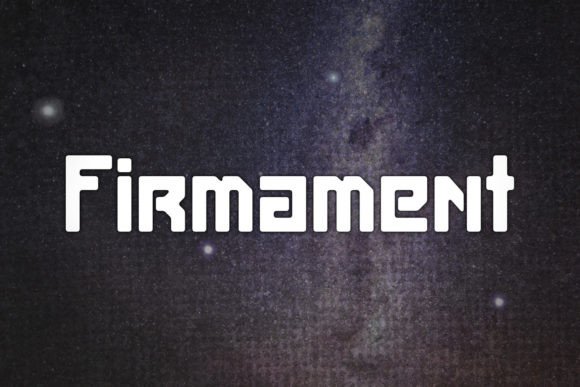
Firmament is a typeface designed with a strong emphasis on geometric shapes and clean lines, while incorporating subtle vintage influences. The font features sharp angles, balanced proportions, and a modern aesthetic that feels both timeless and forward-thinking. It is particularly well-suited for projects that require a bold, eye-catching presence without sacrificing readability.
The design of Firmament reflects a balance between the simplicity of mid-20th-century typography and the sleekness of contemporary digital design. This combination gives it a versatile character that can adapt to various visual styles, from corporate branding to artistic expression.
Why Consider Firmament?
Designers and creatives may find Firmament appealing for several reasons. Its retro-futuristic style can evoke a sense of nostalgia while still feeling fresh and innovative. This duality makes it suitable for projects that aim to bridge past and future aesthetics, such as film titles, music album art, or fashion brand logos.
Additionally, Firmament's legibility at larger sizes makes it ideal for headlines, posters, and other large-scale applications. Its structure ensures that it remains clear and impactful even when used in minimalistic designs. For those seeking a font that stands out without being overwhelming, Firmament offers a compelling option.
Benefits of Using Firmament
One of the primary benefits of Firmament is its versatility. It can be used across multiple industries and formats, including print and digital media. Its clean lines and structured form make it easy to pair with other fonts, allowing for flexible typographic hierarchies.
Another advantage is its ability to convey a sense of professionalism and creativity simultaneously. This makes it a strong candidate for corporate identities, especially in industries that value innovation and a forward-thinking approach. Its visual appeal also makes it a go-to choice for editorial projects, such as magazines, books, and comics.
Considerations and Tradeoffs
While Firmament has many strengths, it may not be the best choice for every project. Its bold and structured appearance can sometimes come across as too rigid or formal for more casual or organic designs. In such cases, a more fluid or hand-drawn font might be more appropriate.
Readability at smaller sizes is another factor to consider. While Firmament performs well in larger formats, it may not be the most effective choice for body text or long paragraphs. Designers should test the font in different sizes to ensure it meets their specific needs.
Situations Where Firmament Excels
Firmament is particularly well-suited for projects that require a strong visual impact. It works well in logotypes, where a memorable and distinctive font can help establish brand recognition. Its retro-futuristic feel also makes it a good fit for media-related projects, such as movie posters, game titles, or music albums that aim to create a specific mood or atmosphere.
In the apparel industry, Firmament can be used on t-shirts, hoodies, and other wearable items to create a bold and recognizable look. Its clean design also makes it ideal for digital platforms like YouTube and Instagram, where eye-catching text can help capture attention and drive engagement.
When Alternatives May Be Better
For projects that require a more organic or handwritten feel, alternatives to Firmament may be more suitable. Fonts with softer edges or irregular shapes can provide a more personal or artistic touch, which may be better aligned with certain creative goals.
Additionally, if the goal is to maintain a minimalist or modern aesthetic, a simpler sans-serif font could offer greater flexibility. These fonts often blend seamlessly into a variety of design schemes without drawing excessive attention to themselves.
Decision-Making Insights
When deciding whether to use Firmament, consider the overall tone and purpose of the project. If the goal is to create a bold, memorable visual identity, Firmament can be an excellent choice. However, if the focus is on subtlety or versatility, exploring other options may be beneficial.
Testing the font in different contexts is also important. Designers should experiment with how Firmament looks in various sizes, colors, and backgrounds to determine its effectiveness. This process can help identify any potential limitations and ensure the font aligns with the project's requirements.
Ultimately, the decision to use Firmament should be based on its ability to meet specific design goals. By understanding its strengths and limitations, designers can make informed choices that enhance the visual impact of their work.