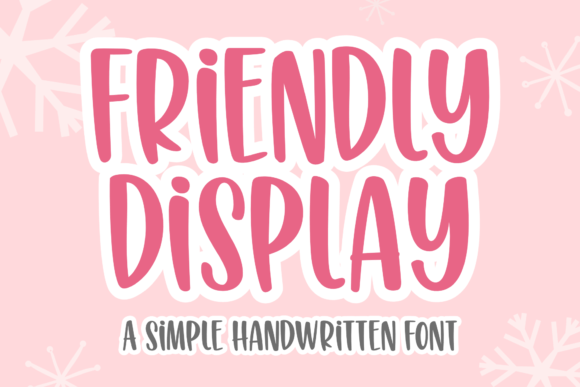
Friendly Display: A Handwritten Font That Brings Warmth to Your Projects
Whether you're designing a logo, creating social media content, or adding a personal touch to a document, the right font can make all the difference. Friendly Display is more than just a typeface—it's a tool that adds personality and charm to your work. With its relaxed, handwritten style, it brings a sense of warmth and approachability that other fonts often lack.
This font isn't about strict lines or rigid structure. It's about creativity, expression, and making your message feel more human. If you're looking for a way to add a friendly vibe to your designs, Friendly Display could be exactly what you need.
When and Where to Use Friendly Display
One of the best things about Friendly Display is how versatile it is. You can use it in a wide range of settings, from personal projects to professional ones. For example, if you're a small business owner, you might use it on a website header or a promotional flyer to create a more inviting and approachable brand image.
It also works well in digital spaces. Social media posts, email newsletters, and even presentation slides can benefit from the font's friendly aesthetic. Imagine using it for a blog post title or a motivational quote on a LinkedIn profile—something that feels authentic and engaging without being too casual.
For educators or content creators, Friendly Display can help make materials more visually appealing. Whether you're designing a lesson plan, a classroom poster, or a YouTube video title, the font adds a touch of warmth that makes information feel more accessible.
Who Benefits From Friendly Display?
People who value authenticity and individuality often find themselves drawn to Friendly Display. For instance, a freelance designer might use it to differentiate their work from others, giving clients a unique visual identity that stands out. Similarly, a blogger or influencer could use it to create a more personal connection with their audience.
Entrepreneurs and marketers may also find it useful. When launching a new product or service, using a friendly font can help build trust and rapport with potential customers. It's not just about aesthetics—it's about creating an emotional response that encourages engagement and loyalty.
Hobbyists and everyday users can enjoy it too. Whether you're creating a birthday card, a handmade sign, or a DIY project, Friendly Display adds a personal, handcrafted feel that makes your work stand out.
Real-World Examples of Friendly Display in Action
Let's say you're running a local bakery and want to update your website. Using Friendly Display for your menu headings or special offers can make your site feel more welcoming and homey. It conveys a sense of care and attention that matches the quality of your products.
Another example: a teacher preparing a classroom newsletter. By using Friendly Display for the title and key sections, they can make the information feel less formal and more relatable. Students and parents are more likely to engage with content that feels approachable.
Even in more formal settings, like a wedding invitation or a corporate event announcement, Friendly Display can work if used thoughtfully. It adds a subtle, warm tone that complements the occasion without being over-the-top.
What to Consider Before Using Friendly Display
Before jumping into using Friendly Display, it's important to think about how it fits your specific needs. While it's great for adding a friendly vibe, it may not be the best choice for every project. For example, if you're designing something that requires a more professional or serious tone, a cleaner, more structured font might be more appropriate.
Also, consider the context in which it will be used. If you're printing something, make sure the font is legible at different sizes. On digital screens, it should still look good on both desktop and mobile devices. Testing it in real-world scenarios can help you determine if it's the right fit.
Finally, think about where you'll get the font. Some fonts come with limited licenses, so it's important to check the terms of use before downloading or purchasing. Making sure you have the right permissions will save you time and headaches down the line.
Why Friendly Display Stands Out
What makes Friendly Display truly special is how it balances creativity with practicality. It's not just a pretty font—it's one that people can actually use in real-life situations. Its handwritten style gives it a sense of warmth that many other fonts don't have, making it ideal for projects that require a personal touch.
It's also versatile enough to work across different platforms and formats. Whether you're using it in a design software, a word processor, or a graphic editor, it maintains its character and readability. This flexibility means you can apply it to a wide range of projects without worrying about compatibility issues.
Ultimately, Friendly Display isn't just about looking good. It's about creating a connection. Whether you're trying to make your brand feel more approachable, your content more engaging, or your designs more expressive, this font has the potential to enhance your work in meaningful ways.
Getting Started With Friendly Display
If you're ready to try Friendly Display, start by experimenting with it in small ways. Add it to a social media post, a greeting card, or a presentation slide. See how it affects the overall tone and feel of your work. As you become more comfortable with it, you can explore more advanced applications, like customizing it for specific projects or combining it with other fonts for a layered effect.
Remember, the goal isn't to use the font everywhere—it's to use it where it makes the most impact. Think about the message you want to convey and how Friendly Display can help you do that more effectively. With a little creativity and intention, this font can become a valuable part of your design toolkit.